
silver bathroom vanity mirror
Plastic concrete mesh is a type of reinforcement used in concrete construction to provide added strength and stability to the structure. Made from high-density polyethylene (HDPE), this mesh is a cost-effective and durable alternative to traditional steel reinforcement. One of the main advantages of plastic concrete mesh is its corrosion resistance. Unlike steel reinforcement, which is prone to rust and deterioration over time, plastic mesh does not corrode when exposed to moisture or chemicals. This means that structures built with plastic mesh will have a longer lifespan and require less maintenance over time. In addition to its corrosion resistance, plastic concrete mesh is also lighter in weight compared to steel reinforcement. This makes it easier to transport, handle, and install on construction sites, resulting in reduced labor costs and improved efficiency. The flexibility of plastic mesh also allows for easier bending and shaping to fit the contours of the concrete structure, making it a versatile reinforcement option . Furthermore, plastic concrete mesh is environmentally friendly as it is made from recyclable materials. This makes it a sustainable choice for construction projects that aim to reduce their environmental impact and carbon footprint plastic concrete mesh . By using plastic mesh instead of steel reinforcement, construction companies can contribute to a more sustainable and eco-friendly building industry. Despite its many benefits, plastic concrete mesh also has some limitations. For example, it has a lower tensile strength compared to steel reinforcement, which may limit its use in high-stress applications. Additionally, plastic mesh is more susceptible to damage from UV exposure, so it may not be suitable for outdoor applications without proper protection or coating. Overall, plastic concrete mesh is a versatile and cost-effective reinforcement option for a wide range of concrete construction projects. Its corrosion resistance, lightweight design, flexibility, and sustainability make it an attractive alternative to traditional steel reinforcement. However, it is important to consider the specific requirements of each project and the potential limitations of plastic mesh when choosing the right reinforcement option. With careful planning and proper installation, plastic concrete mesh can help to create strong and durable concrete structures that stand the test of time.
about
silver bathroom vanity mirror
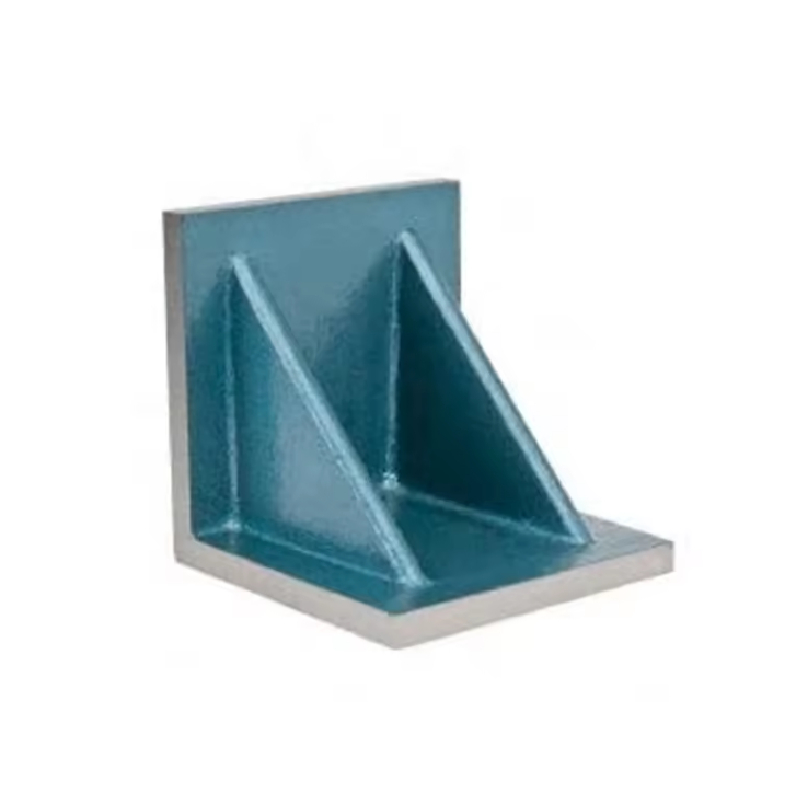
Cast Iron Surface Plate – Dimensional Reference & Flatness Inspection 1. Market Overview & Industry Trends Surface plates are foundational elements in precision metrology, machining calibration, and industrial dimension inspection. As global manufacturing quality standards rise, the market demand for high-precision iron surface plate and cast surface plate products has surged significantly. According to 2023 Mordor Intelligence Report , the global surface plate market is expected to reach $650 million by 2027, expanding at a CAGR of 7.8%. Material evolution: From traditional gray iron to advanced alloyed cast irons & specialty steels. Precision grade: Market shifting toward higher grade (Grade 1, 0, and 00) plates to serve electronics, aerospace, and automotives. Customization: Modular, large-format and corrosion-resistant plates becoming more prevalent, especially in metrology labs and heavy machinery industries. 2. Technical Comparison Table: Surface Plate Types Product Type Material Flatness Grade Standard Size Range (mm) Corrosion Resistance Typical Industry Expected Service Life Cast Iron Surface Plate HT200, HT250, Meehanite 00, 0, 1, 2 (as per DIN 876 / GB 4986 ) 300x300 ~ 4000x8000 ★★☆☆☆ Machining, Tool Room, Assembly 15-25 years Granite Surface Plate Jinan Black, Black Galaxy 00, 0, 1+ 300x300 ~ 6000x6000 ★★★★☆ Metrology Lab, Optical, Electronics 30-50 years Steel Surface Plate Tool Steel, Hardened Steel 1, 2 200x200 ~ 2500x4000 ★★★☆☆ Heavy Machinery, Shipbuilding 12-20 years Composite Surface Plate Alloy Matrix + Polymer 1, 2 Only customized ★★★★☆ Specialty Application 8-18 years Precision Cast Surface Plate for High-Accuracy Metrology Calibration 3. Product Spotlight: Cast Iron Angle Plates Designed for: Machine tool support, perpendicularity checks, vertical squareness, fixture base. Core material: High-grade HT250 cast iron , optimized for rigidity and damping. Manufacturing Standard: ISO 2768-1 / DIN 876 on flatness and parallelism. Surface Finish: 16~24 μm (Ra), hand scraped for Grade 1 and above. Typical Hardness: HB 180~240 (Brinell Hardness) Working Surface: Precision ground or scraped as required. Corrosion protection: Surface impregnation + painting; edge sealing. Example: Cast Iron Angle Plate in Vertical Milling Operations Main Technical Specifications Parameter Value Range Dimension (mm) 160x100x125 to 2000x1000x1200 Squareness Tolerance 0.005mm/100mm (Grade 1) Parallelism 0.006mm/100mm Flatness 0.010mm/100mm (DIN 876) Net Weight 10kg - 3200kg Surface Protection Rust-proof oil + semi-gloss paint Grade 0 and Grade 1 scrapping available upon request. 4. Manufacturing Process: Surface Plate (Cast Iron) Flow Detail Material Selection HT250 premium pig iron Sand Molding High compaction molding for uniform density Cast Pouring & Annealing Pour molten iron, slow-cool, relieve stress @700°C Rough CNC Machining Remove surplus, machine datum Fine Milling / Planing Surface to near-final dimension, Ra 24μm Manual Scraping Peak flatness & contact ratio up to 25-40% Inspection & Calibration Flatness, squareness check (ISO/DIN reference) Finishing & Packaging Coating, edge protection, wood crating Key standards referenced: ISO 8512-2 (surface plate accuracy); DIN 876 (flatness); ANSI B89.3.7M (precision surface plates). Application of Cheap Surface Plate in Industrial Assembly Line 5. Product Comparison & Price Reference Cast Iron Surface Plate Price Analysis (2024, Ex-Works, $USD) Model (mm) Grade 1 Grade 2 Granite 1 (for ref.) 400x400x70 129 110 178 1000x750x180 423 355 526 1600x1000x220 989 818 1140 3000x1250x300 2680 2205 2987 Bulk order and custom size will further lower the cost. Typical “ cheap surface plate ” options are available for industrial use. Product Feature Comparison Chart Price Distribution – 2024 Market, Cast Iron Angle Plates vs. Granite 6. Customization, Delivery & After-Sales Custom Options: Uniquely sized plates (up to 8000x4000mm), T-slotting, lifting hole, grid lines, bolt fixing grooves. Abrasion-resistant overlays or induction hardening for high-durability use. Optional stainless steel threaded bushings for enhanced utility. Delivery Cycle: For standard stock, 7-10 days. For custom plates (extra-large or special flatness), 21-45 days including QA. Warranty: 24~36 months after delivery; lifelong technical support. Flatness guarantee with test report. After-Sales Service: Free quick calibration, replacement for proven flatness errors, site start-up guidance overseas. 7. Application Scenarios & Case Studies Industry Surface Plate Application Why (technical reason) Customer Feedback Petrochemical Pump set up, flange inspection, pipe assembly Resistant to alkali, supports calibration in corrosive environments “Cast plate offered flatness <0.012mm/1m & stood up to daily caustic wash.” Metallurgical Roll/gear housing alignment, heavy fixture mounting High rigidity, resists deflection under heavy load “Installation time reduced by 18% vs. granite. Less maintenance.” CNC Machining Shop Machine bench, tool setup, CMM base support Compatible with magnetic bases, easier minor scratch repair “Lowered cost by 27%, achieved repeatable ±3μm accuracy.” Water & Sewage Plants Valve body inspection, repair section flatness checks Semi-hardened surface (HB240), tolerates impact, easy cleaning “Edge wear negligible after 4 years, routine calibration only.” Featured Case: Germany Automotive Toolroom A leading German OEM upgraded to cast iron surface plates in 2022, switching from aged granite plates. After a year, quality audits recorded 26.8% improvement in calibration speed and zero major surface defects reported, attributed to the anti-abrasive finish and precision scraping according to DIN 876 Grade 0 standard. 8. Manufacturer Comparison Manufacturer Country Standard Supported OEM/ODM Main Advantage Reference Clients STR Machinery China ISO, DIN, ASME Yes Quick custom, low cost, high flatness Bosch, NASS, Hyundai Mahr GmbH Germany DIN, EN No Lab grade, ultra-high accuracy Zeiss, Siemens Starrett USA ANSI, ISO Limited Durability, strong support NASA, Boeing Black Granite Inc India ISO Yes Metric/imperial, affordable price GE, Tata (Unit: Million USD, Global Market Share Evolution, 2019-2023) 9. FAQ: Surface Plate & Cast Iron Angle Plates Q1: What is a surface plate and what are its core materials? A surface plate is a highly flat reference base crucial for precision inspection, layout, and tooling setup. Core materials include cast iron (HT200/HT250), granite, steel, and polymer composites. Each varies in stiffness, weight, and resistance to wear or corrosion. Q2: What are the industry standards for flatness and what do the tolerance grades mean? Flatness grades are assigned as per DIN 876 (Europe), ISO 8512-2 (International), and ANSI B89.3.7M (US). Grades 00, 0, 1, 2 indicate progressive tolerance levels, with 00/0 being laboratory standards (e.g. 8μm/m) and Grade 2 suitable for general workshop use. Q3: How do I select between an iron surface plate and granite or steel alternatives? Cast iron plates are preferred for high load capacity, machinability, thermal balance and ease of minor repair. Granite excels in corrosion resistance and stable flatness, while steel suits impact environments. Consider application, environment, and budget before choosing. Q4: What affects the cast iron surface plate price most? Price is dictated by size, flatness grade, material composition (HT200 vs. HT300), machining/scraping amount, and added features (T-slots, inserts). Bulk and direct factory sourcing generally achieve cheapest unit prices. Q5: What is manual scraping, and why is it vital for high-grade plates? Manual scraping uses precise hand tools to remove minuscule material, achieving sub-micron flatness and optimal bearing point distribution. It ensures Grade 0/00 plates maintain accuracy under variable loads and temperatures, as required in CMM metrology. Q6: What certification or calibration documentation is provided on delivery? Each surface plate comes with a traceable calibration certificate referencing ISO|DIN|ANSI norms, detailing flatness measurement, hardness, contact ratio, and traceability chains (e.g. PTB/US NIST for top grade). Q7: Can surface plates be refurbished and how? Yes, cast plates can be ground or re-scraped back to spec. Granite plates are lapped. Annual inspection is recommended; refurbishment restores them to original grade at a fraction of replacement cost. 10. Why Choose Certified Surface Plate Manufacturers? Long Industry Experience: 20+ years of technical expertise in surface accuracy solutions. ISO 9001/ISO 17025 Accreditation: Guarantees traceable QA/QC processes from raw casting to calibration certificate. Authoritative Standards: All plates conform to global standards like DIN 876, ISO 8512, ANSI B89.3.7M. Global Service: Export coverage to over 48 countries, local reference sites available on request. Innovation Leader: Customization, non-standard structures, corrosion-resistant and lightweight options. 11. Summary & References Whether you’re sourcing a surface plate for laboratory-grade metrology, heavy machine tool setups, or specialized assembly, choosing the right plate type—cast iron, granite, or steel—defines your measurement reliability and operational longevity. Emphasizing manufacturer credibility, compliance with ISO/DIN/ANSI standards, and investing in technical after-sales guarantees optimal ROI and risk mitigation. References & Further Reading: - [1] Mordor Intelligence: Surface Plate Market Report 2023 - [2] ZEISS Metrology Forum: Surface Plate Calibration - [3] ResearchGate: Surface Plate Inspection & Standardization - [4] Wikipedia: Surface Plate - [5] NIST: Handbook - Checking the Flatness of a Surface Plate (PDF)
-

High quality industrial productsagement

High quality industrial products
View Details -

Meet the diverse needs of customers

Meet the diverse needs of customers
View Details -

Strict quality control

Strict quality control
View Details -

Top raw materials

Top raw materials
View Details -

Trusted supplier

Trusted supplier
View Details
Our application


news and information
Valve Manufacturing Process and Innovative Techniques for Enhanced Performance
The Evolution and Importance of Valve Factories in Modern Industry Valve factories play a crucial ro

và van cổng
Van khóa cửa là một trong những thành phần thiết yếu trong hệ thống ống dẫn, đặc biệt trong các ngàn

Ventil motýl s 36% průtokem pro efektivní regulaci kapaliny
Motýlové ventily a jejich význam Motýlové ventily jsou jedním z nejefektivnějších a nejběžněji použí
 English